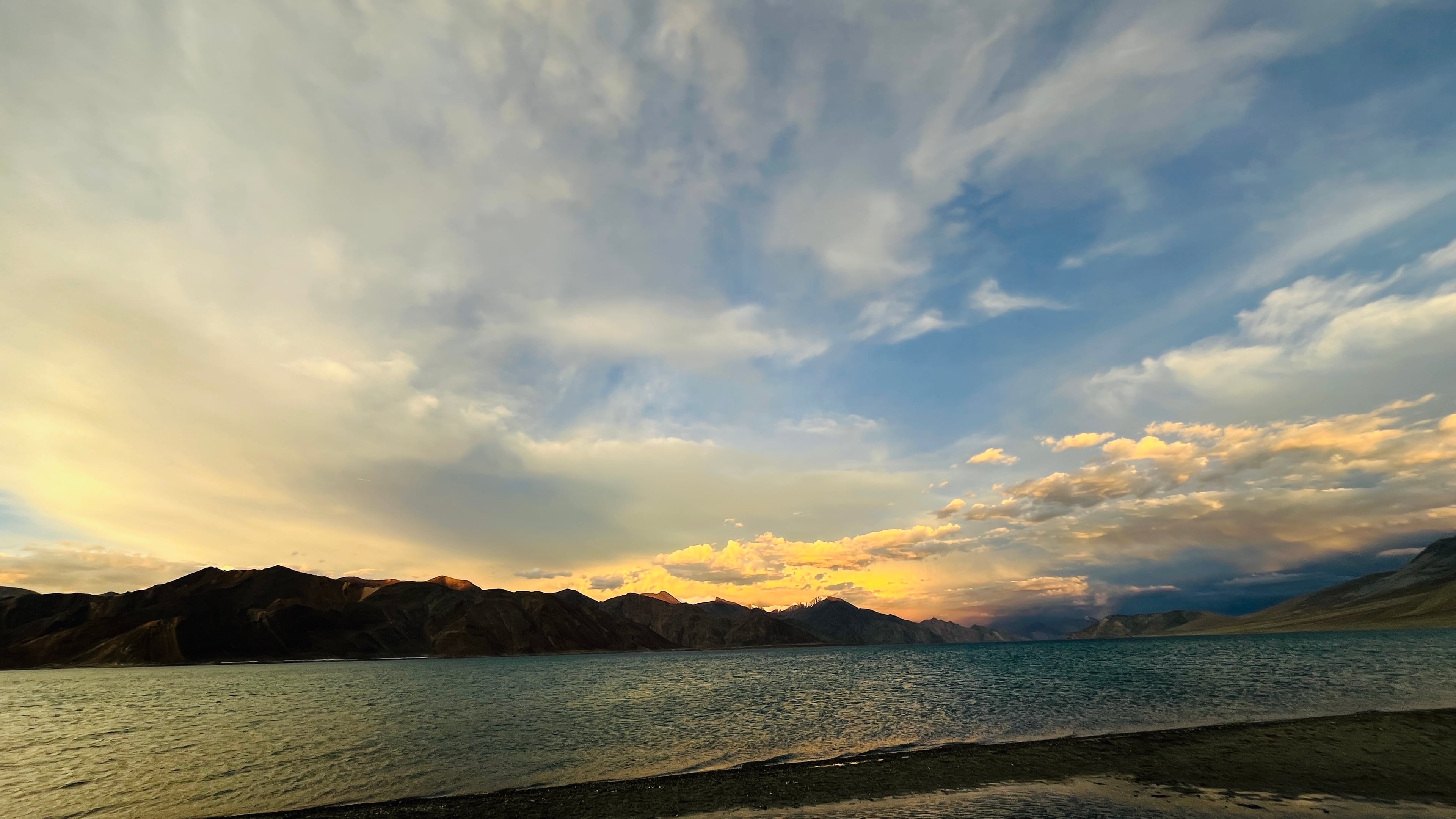
Imagine walking through dramatic mountain valleys, crossing high-altitude passes, discovering remote Himalayan villages, and watching the sun illuminate the rugged landscapes of Ladakh. Trekking in Ladakh is an unforgettable adventure for travellers who want to experience the Himalayas beyond the usual road journeys.
Known for its striking mountains, ancient monasteries, peaceful villages, and vast open landscapes, Ladakh offers trekking experiences for different levels of adventure. Whether you are a beginner looking for a shorter hike or an experienced trekker planning a multi-day mountain expedition, the region has plenty to explore.
However, trekking in Ladakh requires more preparation than an ordinary holiday. High altitude, changing weather, remote trails, and limited medical facilities in some areas make fitness, acclimatization, and proper planning essential.
In this guide, Trekzy covers some of the best trekking experiences in Ladakh, the ideal season, essential packing tips, and practical advice to help you prepare for your Himalayan adventure.
1. Why Is Ladakh a Paradise for Trekkers?
Ladakh offers a distinctive trekking experience because of its high mountain passes, rugged valleys, cold-desert landscapes, and traditional Himalayan settlements.
Unlike treks dominated by dense forests, many Ladakh routes take you through open mountain terrain, rocky trails, river valleys, and remote villages. You may encounter ancient monasteries, traditional homes, grazing animals, and spectacular views of snow-covered peaks along the way.
The region also offers opportunities to experience local culture and hospitality. Depending on your route, you may stay in village homestays, guesthouses, or campsites.
For adventure lovers, trekking in Ladakh is not only about reaching a destination. It is about experiencing the landscapes, understanding local life, and discovering a quieter side of the Himalayas.
2. Best Time for Trekking in Ladakh
The best trekking season depends on the route, altitude, snow conditions, and local weather.
May to September: Many popular summer trekking routes operate during this period, although conditions vary. June to September is commonly suitable for several classic high-altitude routes, subject to trail access and weather.
September to October: Some routes offer clear skies and beautiful autumn landscapes, but temperatures fall and conditions can change quickly. Check whether your chosen trek is operating.
January to February: Winter is associated with specialised adventures such as the Chadar Trek on the frozen Zanskar River. This is a demanding expedition requiring suitable equipment, experienced local support, and favourable ice and weather conditions.
Before booking, confirm the operating season, trail status, accommodation arrangements, and any permit requirements for your specific trek.
3. Best Treks to Explore in Ladakh
Ladakh offers routes ranging from shorter village walks to demanding high-altitude expeditions.
Markha Valley Trek
The Markha Valley Trek is one of Ladakh's best-known multi-day trekking routes. It takes trekkers through remote villages, river valleys, mountain landscapes, and traditional settlements, with dramatic views of the surrounding Himalayas.
This trek is generally suited to trekkers with good preparation who are comfortable walking for several days at altitude. The route and difficulty depend on the itinerary and prevailing conditions.
Sham Valley Trek
Often considered a more accessible introduction to trekking in Ladakh, the Sham Valley route passes through villages, dry mountain landscapes, and cultural landmarks.
It can be a good option for travellers seeking a shorter trekking experience, although the route still involves altitude and uneven terrain. Beginners should choose an itinerary appropriate to their fitness and experience.
Lamayuru to Chilling Trek
This route offers an opportunity to explore Ladakh's dramatic terrain on foot while experiencing remote settlements and distinctive mountain scenery.
It involves longer walking days and changing trail conditions, so proper footwear, fitness, and an experienced local guide are important.
Spituk to Stok Trek
For travellers interested in a shorter mountain adventure, routes in the Spituk and Stok area offer impressive views of the Indus Valley and surrounding peaks.
Difficulty varies according to the exact route and pass crossed. Do not treat a short duration as a guarantee that a trek will be easy, particularly at high altitude.
Chadar Trek
The Chadar Trek is a specialised winter expedition along the frozen Zanskar River. Its icy landscape makes it one of Ladakh's most distinctive adventures, but it is also physically demanding and highly dependent on natural conditions.
It should only be attempted with experienced local professionals, appropriate cold-weather equipment, and confirmation that conditions are safe for the expedition.
4. Acclimatization: The Most Important Step
Ladakh's altitude is one of the biggest challenges for trekkers. Leh sits at approximately 3,500 metres above sea level, and many trekking routes climb significantly higher.
If you arrive in Leh by air from a low-altitude location, give your body time to adjust before undertaking strenuous activities.
Ladakh Tourism advises at least 48 hours of complete rest for tourists arriving in Leh before travelling to higher-altitude areas. Follow the current official guidance and your medical professional's advice.
During acclimatization, avoid strenuous exercise and alcohol, eat regular meals, and stay normally hydrated. Do not rush into a high-altitude trek simply because you feel energetic on arrival.
Watch for symptoms such as headache, nausea, dizziness, unusual fatigue, or loss of appetite. If symptoms develop, stop ascending and inform your guide. Worsening symptoms, confusion, difficulty walking normally, or breathlessness at rest require urgent medical attention and descent as appropriate.
Your safety matters more than completing an itinerary.
5. Build Your Fitness Before the Trek
High-altitude trekking can be challenging even for people who exercise regularly. Walking uphill for several hours while carrying a backpack requires endurance, leg strength, and the ability to manage effort.
Begin preparing several weeks before departure, based on your current fitness and the difficulty of the route.
Include brisk walking, stair climbing, hiking on uneven terrain, and basic strength exercises in your routine. Gradually increase the duration of your walks and practise carrying a lightly loaded backpack.
Avoid pushing yourself too hard immediately before the trip. If you have a medical condition or are uncertain about your ability to manage altitude, seek medical advice before booking a demanding trek.
6. What to Pack for a Ladakh Trek
Packing correctly is essential because mountain weather can change quickly and some routes are far from shops or medical facilities.
Your packing list should include:
Sturdy, comfortable trekking shoes with reliable grip.
Layered clothing, thermal wear, and a warm insulating jacket.
Waterproof and wind-resistant outerwear.
Warm gloves, a hat, and moisture-managing socks.
A comfortable backpack and waterproof bags for important items.
A refillable water bottle and a suitable water-treatment method.
Sunglasses, sunscreen, and lip balm.
A headlamp, spare batteries, and a power bank.
Personal medication and a basic first-aid kit.
Lightweight snacks and other items specified by your trek operator.
For winter expeditions such as the Chadar Trek, specialised cold-weather equipment and additional safety arrangements may be necessary.
Check your operator's equipment list before departure so that you do not carry unnecessary items or miss essential gear.
7. Trek at Your Own Pace
One of the most useful trekking tips is to maintain a steady pace rather than trying to walk as quickly as possible.
Take small, controlled steps on steep sections, rest when needed, and drink water regularly. Follow your guide's instructions and avoid separating from the group on unfamiliar terrain.
At high altitude, even a familiar walking distance can feel more demanding than expected. Allow enough time for breaks and avoid adding unnecessary exertion to your itinerary.
Do not continue ascending if you develop symptoms of altitude illness. Inform your guide immediately and follow appropriate medical advice.
8. Choose the Right Trekking Guide
A knowledgeable guide can make a significant difference to your trekking experience, especially on remote or high-altitude routes.
Choose a reputable operator with appropriately qualified guides, a clear itinerary, suitable equipment arrangements, and a documented emergency plan.
Before booking, ask about the maximum altitude, daily walking hours, accommodation, meals, permits, group size, evacuation arrangements, and what happens if the weather makes the route unsafe.
Check whether the trek requires technical experience or specialised equipment. A low price should never come at the expense of appropriate safety arrangements.
9. Respect Ladakh's Nature and Local Culture
Ladakh's mountain environments are fragile, and responsible trekking helps protect them.
Carry your waste back, avoid single-use plastics where possible, stay on established trails, and never disturb wildlife. Do not leave food scraps or litter at campsites and viewpoints.
When visiting villages and monasteries, respect local customs, ask permission before photographing people, and follow instructions at religious or restricted sites.
Choose local homestays and services where practical. Responsible travel can support local communities while helping preserve the region's natural and cultural heritage.
10. Plan Your Ladakh Trek with Trekzy
A successful trekking adventure begins with choosing a route that matches your fitness, experience, available time, and comfort level.
Before finalising your trip, check the operating season, altitude profile, daily walking distance, inclusions, accommodation, transport, and safety arrangements. Build acclimatization time into your itinerary instead of treating it as optional.
Whether you dream of exploring the Markha Valley, discovering the villages of Sham Valley, or experiencing a specialised winter expedition, careful preparation will help you make better decisions and enjoy the journey more confidently.
Explore Trekzy's available adventure trips and start planning a Himalayan experience that suits your travel style.
“The mountains reward those who move with patience, respect the altitude, and embrace every step of the journey.”
Ladakh Trekking Essentials
Choose a trek that matches your fitness and experience.
Allow at least 48 hours of acclimatization in Leh, following current official guidance.
Train before departure with regular walks and stair climbing.
Carry suitable trekking shoes and layered clothing.
Pack sunscreen, sunglasses, a headlamp, and a first-aid kit.
Carry safe drinking water and suitable snacks.
Check the weather, trail conditions, and permit requirements.
Book an appropriately qualified guide for your chosen route.
Understand the emergency and evacuation plan.
Never continue ascending when experiencing altitude sickness symptoms.
Respect local culture and leave no waste behind.
High-Altitude Safety Reminder
Ladakh is a high-altitude destination, and altitude sickness can affect anyone regardless of fitness. Rest and acclimatize in Leh before proceeding to higher areas, follow your guide's safety instructions, and never ascend with worsening symptoms. Seek urgent medical help if severe symptoms develop.