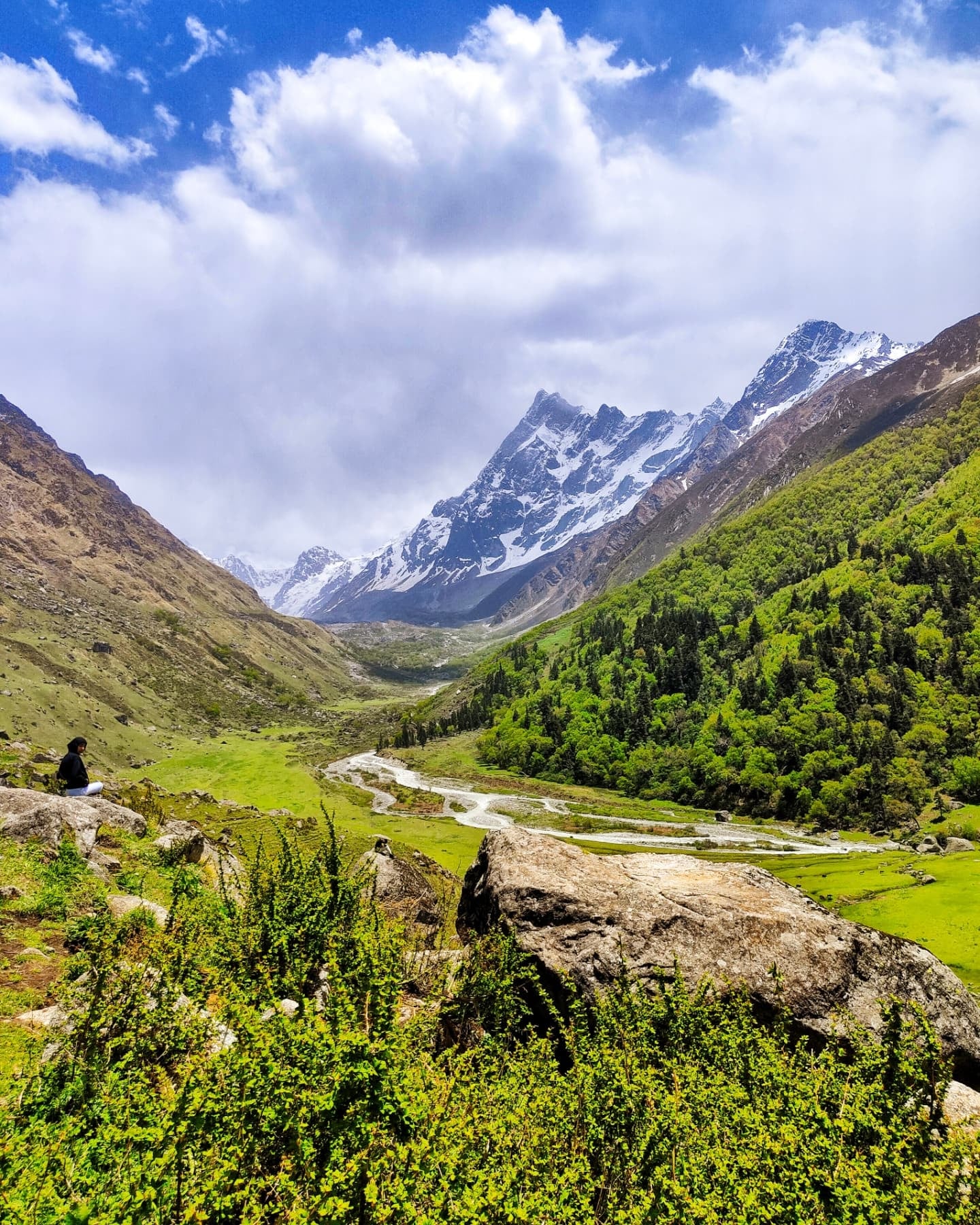
Nature is full of extraordinary moments, from golden sunlight filtering through a forest to birds soaring across the sky and wild animals moving freely in their natural habitats. Nature and wildlife photography allow us to capture these moments and share the beauty of the natural world with others.
Whether you are using a smartphone, a DSLR, or a mirrorless camera, you do not need expensive equipment to begin your photography journey. A little patience, an understanding of natural light, and a creative eye can help you capture stunning photographs during your travels.
In this guide, we will explore practical nature and wildlife photography tips to help beginners improve their skills, discover new perspectives, and photograph the outdoors responsibly.
1. Choose the Right Time for Photography
Lighting can transform an ordinary photograph into something extraordinary. Early mornings and late afternoons often provide softer, warmer light that brings out the colours and textures of landscapes.
The period shortly after sunrise and before sunset is commonly known as the golden hour. It is an excellent time to photograph mountains, forests, flowers, birds, and many other outdoor subjects.
Wildlife activity also varies by species, season, and location. Research the animals you hope to observe and plan your visit accordingly. Remember that patience is often more valuable than rushing from one location to another.
2. Learn the Basics of Composition
Good composition helps viewers understand what makes a photograph special. Instead of placing every subject in the centre of the frame, experiment with different positions and perspectives.
The rule of thirds is a useful starting point. Imagine dividing your frame into nine equal sections and positioning your main subject near one of the intersections.
Look for natural frames created by tree branches, leaves, rocks, or openings in the landscape. Leading lines such as forest trails, rivers, and mountain ridges can guide the viewer's eyes through the image.
Before taking the photograph, check the edges of your frame for distracting objects. Small adjustments to your position can make a noticeable difference.
3. Understand Your Camera or Smartphone
You can capture impressive nature photographs without owning professional equipment. The most important thing is learning how to use the device you already have.
On a smartphone, tap your subject to focus, adjust exposure when necessary, and keep the lens clean. Avoid excessive digital zoom when possible, as it can reduce image quality.
If you use a camera, familiarise yourself with shutter speed, aperture, and ISO. A faster shutter speed can help freeze a moving bird, while a wider aperture can separate a flower or animal from a distracting background.
For landscapes, choose settings that keep the important parts of the scene in focus. Experiment with your camera's features and review your photographs to understand what works best.
4. Photograph Wildlife Without Disturbing It
Wildlife photography requires patience, observation, and respect for animals. The aim is to capture natural behaviour without causing stress or changing how an animal behaves.
Use a telephoto lens or your camera's optical zoom to photograph animals from a safe distance. Move slowly, keep noise to a minimum, and never chase, corner, touch, or feed wild animals to obtain a better photograph.
Avoid disturbing nests, dens, breeding areas, and young animals. Do not use recorded animal calls to attract wildlife, and follow the rules of the park, reserve, or forest you are visiting.
Remember that safe viewing distances depend on the species and local regulations. If an animal changes its behaviour because of your presence, back away and give it more space.
5. Make the Most of Natural Light
Natural light can add depth, mood, and character to your photographs. Side lighting can highlight the texture of tree bark, rocks, feathers, and flower petals, while backlighting can create beautiful silhouettes and glowing edges.
On bright days, watch out for harsh shadows and overexposed highlights. On cloudy days, softer light can be especially useful for photographing flowers, forest details, and close-up subjects.
When photographing wildlife, make sure your shutter speed is fast enough to capture movement clearly. You may need to increase ISO when the light is limited.
Rather than relying on heavy editing, aim to get the exposure and composition right when taking the photograph.
6. Explore Different Nature Photography Styles
Nature photography includes much more than scenic landscapes. Exploring different subjects helps you develop your skills and notice details you might otherwise overlook.
Landscape photography captures mountains, valleys, waterfalls, rivers, and open skies. Wildlife photography focuses on animals and their natural behaviour. Macro photography reveals the intricate details of insects, leaves, flowers, and textures.
You can also experiment with bird photography, forest photography, reflections, silhouettes, and night-sky photography where conditions permit.
Try choosing one theme for each outing. Concentrating on a particular subject can help you become more observant and creative.
7. Pack the Right Photography Essentials
Outdoor photography often involves walking, waiting, and dealing with changing weather. Carrying the right essentials makes the experience more comfortable.
Consider taking your camera or smartphone, spare batteries, sufficient memory, a cleaning cloth, and a protective cover. A telephoto lens can be useful for wildlife, while a wide-angle lens is often helpful for landscapes.
A lightweight tripod may help with long exposures, waterfalls, and low-light scenes. Binoculars can also help you locate animals before photographing them.
Carry drinking water, suitable clothing, sun protection, and any supplies needed for the outing. Protect your equipment from rain, dust, and moisture, and avoid carrying unnecessary weight.
8. Practise Patience and Observation
Some of the most memorable photographs happen when you slow down and observe your surroundings.
Instead of moving constantly in search of new subjects, spend time in a suitable location. Watch how light changes, notice patterns in the landscape, and observe how birds and other animals move through their environment.
Look for small details such as dew on a leaf, reflections in a lake, insects resting on flowers, or sunlight passing through branches.
Wildlife encounters are never guaranteed. Enjoy the experience even when you do not get the photograph you hoped for. Time spent observing nature is valuable in itself.
9. Edit Your Photographs Naturally
Editing can help improve a photograph, but the goal should be to enhance the image without losing its natural character.
Start with cropping, exposure, contrast, highlights, shadows, and white balance. Adjust colours carefully so that the scene remains believable.
Avoid excessive saturation, unnatural sharpening, and edits that misrepresent wildlife or its environment. If you share photographs for educational or conservation purposes, provide accurate captions and disclose substantial edits where appropriate.
Keep your original files so that you can revisit them and experiment with different editing styles later.
10. Follow Responsible Photography Practices
Beautiful photographs should never come at the expense of wildlife or the environment.
Stay on permitted trails, follow local photography rules, and avoid damaging plants or habitats while positioning your camera. Never use food or bait to attract wild animals, and do not reveal the precise locations of vulnerable species when sharing images could put them at risk.
Respect other visitors and local communities. Follow restrictions on flash photography, drones, and access to protected areas.
Responsible photography helps ensure that the places and animals we admire remain protected for future generations.
Final Thoughts
Nature and wildlife photography are about more than technical skills or expensive cameras. They are about patience, curiosity, creativity, and a willingness to appreciate the world around you.
Start with the equipment you have, practise regularly, experiment with light and composition, and learn to observe wildlife from a respectful distance. Every outing offers an opportunity to improve and discover something new.
So, the next time you head into a forest, explore a mountain trail, visit a national park, or spend time in nature, take a moment to look beyond the obvious. You might discover a photograph waiting to be captured.
Explore more, observe carefully, and capture nature responsibly with Trekzy.
“The best wildlife photograph is not just the one that captures a beautiful moment, but the one taken without disturbing it.”
Shoot during golden hour when the light suits your subject.
Learn the rule of thirds and experiment with different angles.
Keep your camera lens clean.
Use a fast shutter speed for moving wildlife.
Carry spare batteries and sufficient memory.
Use optical zoom or a telephoto lens to maintain a safe distance.
Stay quiet and avoid sudden movements around animals.
Never feed, chase, bait, or disturb wildlife.
Protect your equipment from rain, dust, and moisture.
Edit photographs naturally and use accurate captions.
Follow local rules and respect protected habitats.