Starting from
₹5,499
per personUttarakhand
Duration
5 Days
Location
Uttarakhand
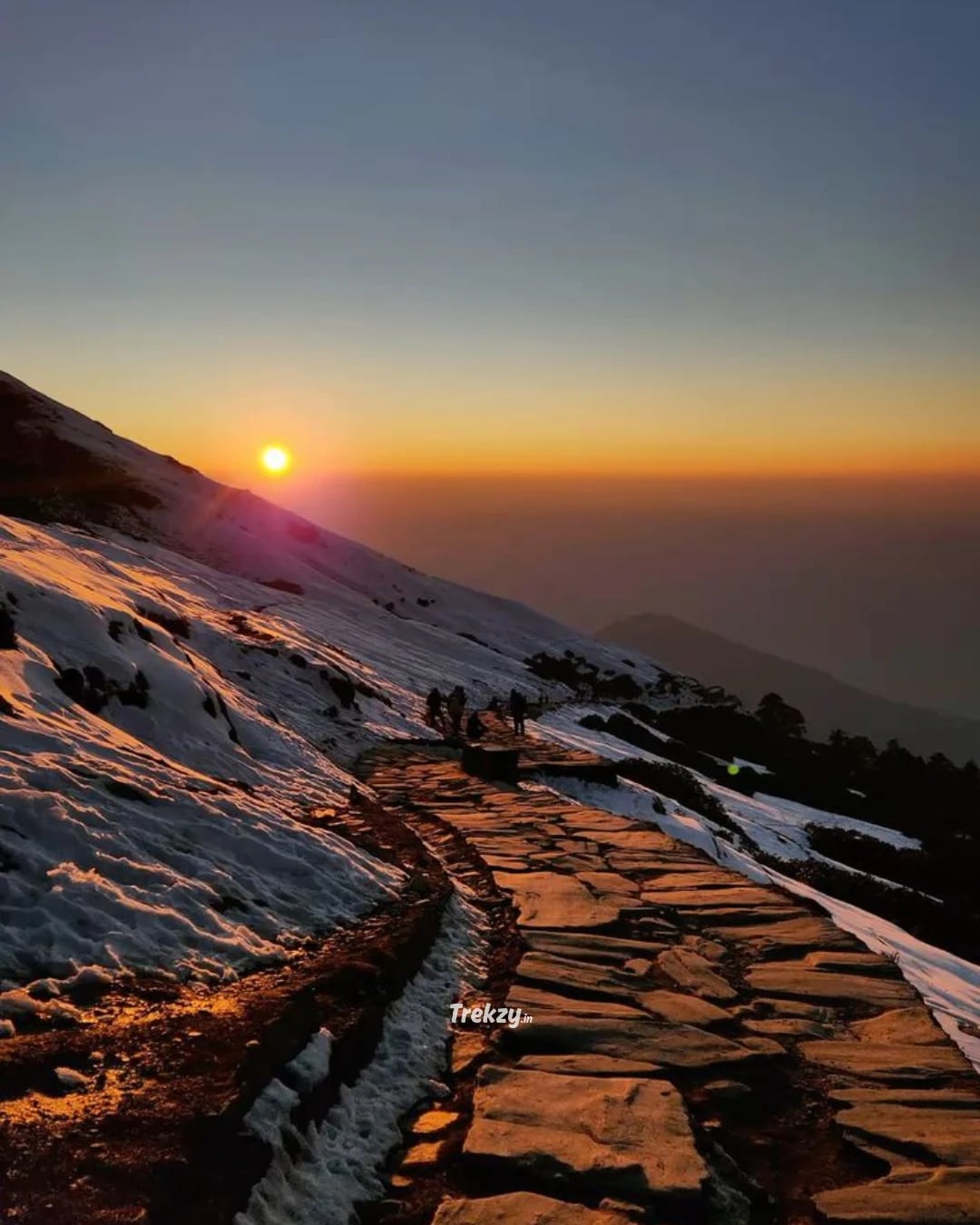
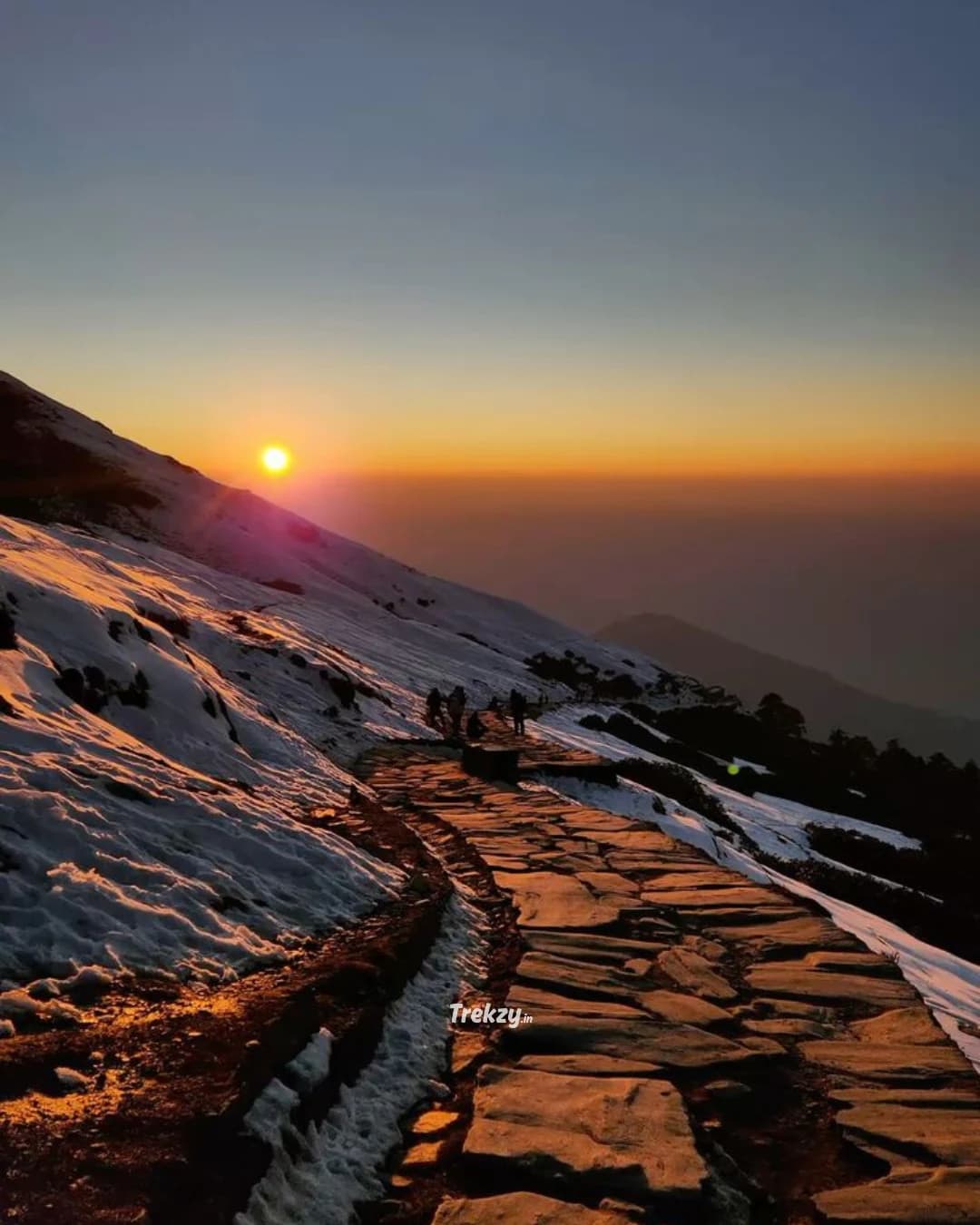
The Chopta Tungnath Chandrashila Trek is a beautiful Himalayan journey in Uttarakhand's Rudraprayag district, known for its stunning mountain scenery, peaceful forest trails, and spiritual significance. Often called the Mini Switzerland of India, Chopta serves as the starting point for this memorable trek, surrounded by rolling meadows, towering pine and deodar trees, and magnificent views of the Garhwal Himalayas.
The journey begins in Chopta, a picturesque mountain destination known for its fresh air, green landscapes, and tranquil atmosphere. From here, a well-known trekking trail gradually climbs through forests and scenic mountain paths towards Tungnath Temple. Along the route, trekkers can enjoy beautiful views of the surrounding valleys and snow-covered peaks, making the ascent rewarding for both adventure seekers and photography enthusiasts.
One of the major highlights is Tungnath Temple, situated at approximately 12,073 ft (3,680 m). This ancient shrine is an important pilgrimage site dedicated to Lord Shiva and is traditionally regarded as the highest Shiva temple in the world. Its peaceful surroundings, traditional stone architecture, and dramatic Himalayan backdrop make it a memorable stop along the trek.
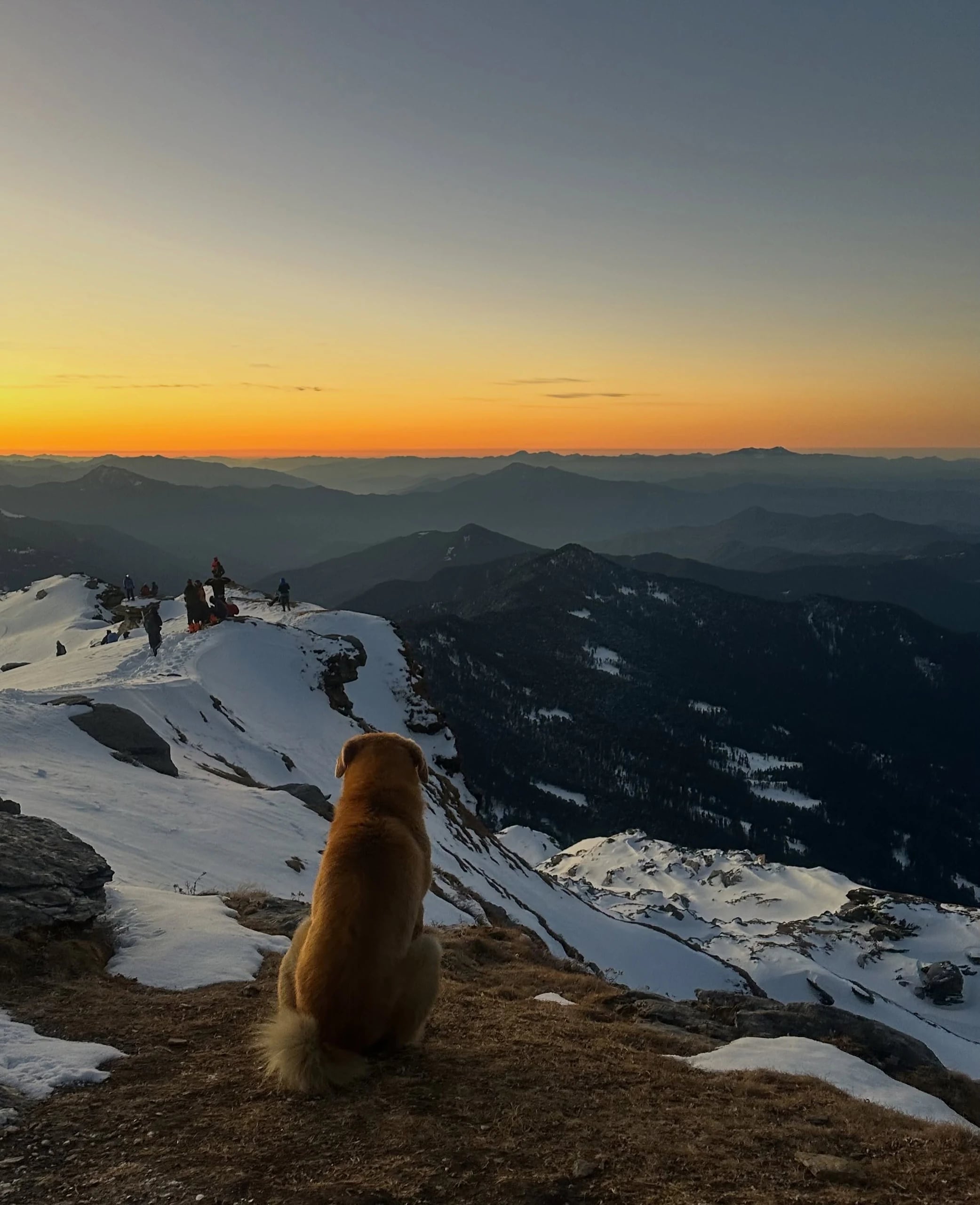
The adventure continues from Tungnath towards Chandrashila Summit, located at approximately 13,000 ft (3,962 m). This final stretch is steeper and can be challenging, particularly when snow or ice covers the trail. Reaching the summit rewards trekkers with sweeping panoramic views of prominent Himalayan peaks, including Nanda Devi, Trishul, Chaukhamba, and Kedarnath. On clear days, the summit offers an unforgettable sunrise experience and an incredible sense of achievement.
The trek is generally considered easy to moderate in favourable conditions, making it popular among beginners with reasonable fitness. However, the final ascent to Chandrashila can become significantly more difficult during winter because of snow, ice, and cold temperatures. Suitable trekking shoes, warm clothing, and attention to local weather and trail conditions are essential.
The best time to visit is generally April to June for pleasant weather and September to November for clearer mountain views. Winter offers beautiful snow-covered scenery, but access to the temple and summit may be affected by heavy snowfall and local conditions.
With its sacred temple, enchanting forests, beautiful meadows, and spectacular Himalayan panoramas, the Chopta Tungnath Chandrashila Trek offers the perfect combination of adventure and spirituality. Whether you are planning your first Himalayan trek or looking for a rewarding mountain escape, this journey promises an unforgettable experience in Uttarakhand.
Assemble at the pickup point by evening and get ready for an exciting road trip to the serene meadows of Chopta (approx. 10 hours drive).
Sit back and relax in your Tempo Traveller, which will ensure a comfortable overnight journey.
A dinner stop will be made en route (at your own expense
Day
Early morning stop at Devprayag to witness the iconic confluence where the Ganga is born.
Breakfast halt near Rudraprayag, followed by a scenic drive through the Garhwal mountains.
Reach Chopta by afternoon and check in to the campsite.
Relax, explore the surroundings, and enjoy fun group activities amidst nature.
Early breakfast and gear up for the Chandrashila Summit trek (13,050 ft).
Trek via Tungnath Temple, the highest Shiva temple in the world.
Reach Chandrashila and enjoy stunning Himalayan views of Nanda Devi, Trishul, Chaukhamba & more.
Descend to Chopta campsite, followed by dinner and overnight stay.
Early breakfast and check-out from the campsite.
Drive to Sari Village and trek to the serene Deoria Tal, offering stunning Chaukhamba reflections.
Trek back to Sari and begin the overnight journey to Delhi.
Dinner halt en route at your own expense.
We will reach New Delhi by morning. This thrilling journey comes to an end with fond memories, new friends, and a mobile gallery loaded with glimpses of this memorable trip.
The Chopta Chandrashila Trek is famous for its spectacular Himalayan views, peaceful Deoriatal Lake, and the sacred Tungnath Temple. The trek also takes you to Chandrashila Summit, where you can enjoy panoramic views of Himalayan peaks such as Nanda Devi, Chaukhamba, Trishul, and Kedar Dome.
The Chopta Chandrashila Trek is graded easy to moderate and is suitable for beginners with basic fitness. Most trails are well-defined, but the final ascent from Tungnath to Chandrashila is steep and can become challenging in snowy or icy conditions.
The complete Chopta Chandrashila Tungnath Trek with Deoriatal generally takes around 5 days and covers approximately 23–28 km of trekking, depending on the route and itinerary. It includes the trails around Deoriatal, forest walks, the Tungnath Temple ascent, and the Chandrashila Summit climb.
The best time to visit Tungnath Temple is generally from May to November, when the temple is usually open according to its seasonal schedule. Spring and summer offer pleasant weather and blooming rhododendrons, while autumn brings clear skies and beautiful mountain views. Always check the temple's official opening dates before travelling.
Yes, the trek can be undertaken safely with proper preparation, suitable equipment, and attention to weather conditions. Beginners should follow the guidance of experienced trek leaders, particularly on the steep summit section. Winter snow and ice require additional caution, and the route should not be attempted when conditions are unsafe.
Snow is most commonly encountered between December and February, particularly around Tungnath and Chandrashila. Snowfall may also occur outside these months, depending on weather conditions. The amount of snow varies each year, so its presence cannot be guaranteed for specific dates.
A reasonable level of physical fitness is recommended. Trekkers should be comfortable walking for several hours on uphill and downhill trails. Regular walking, jogging, cycling, or stair climbing before the trip can improve stamina and make the summit ascent more manageable.
Yes, children who are physically fit and accustomed to outdoor activities may be able to undertake the trek with appropriate adult supervision. Parents should consider the child's age, stamina, altitude, weather, and the steep climb to Chandrashila before planning the trip. Winter conditions may make the route unsuitable for younger or inexperienced children.
Mobile connectivity is available in some villages and accessible areas, but the signal can be weak or unavailable along forest trails and at higher elevations. Network availability depends on your service provider and location. Inform family members about possible connectivity gaps before beginning the trek.
Extra luggage storage may be available at the base accommodation or through the trekking organiser, depending on the package. It is advisable to confirm this facility in advance and carry only essential belongings during the trekking sections.
Accommodation generally includes guesthouses, homestays, cottages, or camping tents, depending on the itinerary. During the Deoriatal section, camping may be arranged, while stays near Baniyakund or Chopta may include cottages or other local accommodation. The exact facilities and sharing arrangements depend on the selected package.
Washroom facilities vary between accommodation properties and campsites. Guesthouses may offer common or attached washrooms, while remote campsites may have basic toilet facilities. Trekkers should carry personal hygiene supplies and be prepared for limited facilities in the mountains.
Backpack offloading may be available through local porters or mule services, subject to availability and local regulations. This service may involve additional charges and weight restrictions. Confirm the arrangements before your trek rather than assuming that offloading is included in the package.
Essential items include: - Warm layers, thermals, and an insulated jacket. - Waterproof jacket and rain protection. - Trekking shoes with good grip and ankle support. - A backpack with a rain cover and a small daypack. - Water bottles and energy snacks. - Personal medicines and a basic first-aid kit. - Sunglasses, sunscreen, and a cap. - Trekking poles and a headlamp with spare batteries. - Toiletries and personal hygiene supplies. During winter, additional snow gear may be necessary depending on trail conditions.
Chandrashila Peak stands at approximately 12,000 feet (3,700 metres) above sea level. Its summit is the highest point of this trekking route and offers expansive views of the surrounding Himalayan ranges when the weather is clear.
The trek involves a gradual increase in altitude over several days, which can help the body adjust. However, altitude-related symptoms can still occur. Walk at a comfortable pace, stay hydrated, avoid overexertion, and inform your trek leader immediately if you experience a headache, nausea, dizziness, or unusual breathlessness.
On a clear day, the Chandrashila Summit offers panoramic views of several Himalayan peaks, including Nanda Devi, Chaukhamba, Trishul, Kedarnath, Kedar Dome, Nanda Ghunti, and Bandarpoonch. Visibility depends on weather conditions and cloud cover.
The Tungnath Trek is generally considered easy to moderate. The trail from Chopta to Tungnath is well-defined, with a steady uphill climb. The route becomes more demanding if you continue to Chandrashila, especially during winter when snow and ice can make the trail slippery.
April to June is popular for pleasant weather, green meadows, and blooming rhododendrons. September to November generally offers clear skies and beautiful mountain scenery. Winter is ideal for those seeking snowy landscapes, but heavy snow can restrict access to Tungnath and Chandrashila.
To reach the Tungnath trailhead, travel to Chopta in Uttarakhand. You can reach the region by road from Rishikesh, Haridwar, or Dehradun. Rishikesh and Haridwar are common railway access points, while Jolly Grant Airport near Dehradun is the nearest major airport. From Chopta, the trek to Tungnath is approximately 3–3.5 km one way, followed by an additional climb to Chandrashila.
If your trekking organiser requires a participant profile for registration or permissions, complete the registration form using accurate personal details and the required identification documents. Follow the instructions provided during booking and submit any requested information before the reporting date.
The complete trek generally takes around 5 days and involves approximately 23 km of trekking according to the itinerary. The journey combines forest trails, mountain meadows, Deoriatal Lake, Tungnath Temple, and the Chandrashila Summit. The actual distance may vary depending on the route and transport arrangements.
The itinerary generally begins at Sari Village, from where trekkers walk to Deoriatal Lake. The highest point is Chandrashila Summit, at approximately 12,000 feet (3,700 metres) above sea level. The route then includes the scenic forests around Chopta and the climb to Tungnath Temple.
Snow is most likely during winter, especially from December to February, around Tungnath and Chandrashila. Deoriatal and the surrounding trails may also experience snowfall during suitable weather conditions. Snow cover varies each season, so check local trail updates before travelling.
The weather changes with the season and altitude. Spring brings blooming flowers and cool temperatures, summer offers relatively comfortable trekking conditions, and autumn often provides clear mountain views. Winter can bring freezing temperatures, snowfall, and icy trails. Carry suitable clothing and be prepared for sudden changes in mountain weather.
Sturdy trekking shoes with good grip, ankle support, and a comfortable fit are recommended. Water-resistant or waterproof shoes are useful during rain and snow. In winter, suitable traction equipment may also be needed on icy sections, depending on current trail conditions.
The trek features the beautiful Deoriatal Lake, dense oak and rhododendron forests, green meadows, Tungnath Temple, and Chandrashila Summit. Trekkers can also enjoy views of the Himalayan ranges, seasonal wildflowers, and opportunities to spot local birdlife and wildlife along the route.
Winter trekking can be rewarding but requires extra preparation. Snow-covered paths, ice, freezing temperatures, and poor visibility can increase the difficulty. Carry appropriate winter clothing and footwear, use suitable snow equipment when required, and follow local advisories and your trek leader's instructions. Do not attempt the summit if conditions are unsafe.
Rishikesh offers a range of accommodation options, including budget hostels, guesthouses, hotels, and riverside stays. Choose accommodation based on your budget and proximity to the designated pickup point. Arriving a day before departure is advisable, especially if you are travelling by train, bus, or flight.
It is advisable to keep at least one buffer day after the scheduled trek. Mountain road conditions, traffic, snowfall, or other unexpected delays can affect your return time. Avoid booking a flight or train with a tight connection on the final day, and confirm the expected drop-off time before making travel arrangements.