Starting from
₹5,499
per personUttarakhand
Duration
6 Days
Location
Uttarakhand
The Kuari Pass Trek is a classic Himalayan adventure in Uttarakhand's Garhwal region, celebrated for its panoramic mountain views, peaceful forest trails, and picturesque high-altitude meadows. Popularly known as the Curzon Trail, the trek offers an incredible opportunity to explore the natural beauty of the Himalayas while enjoying spectacular views of some of India's most impressive mountain peaks.
The journey typically begins near Joshimath, with routes passing through charming mountain villages, lush forests, and scenic trails in the Chamoli district. As trekkers make their way through forests of oak and rhododendron, the landscape gradually opens into vast meadows and mountain ridges. The peaceful surroundings, fresh mountain air, and changing scenery make every stage of the trek rewarding.
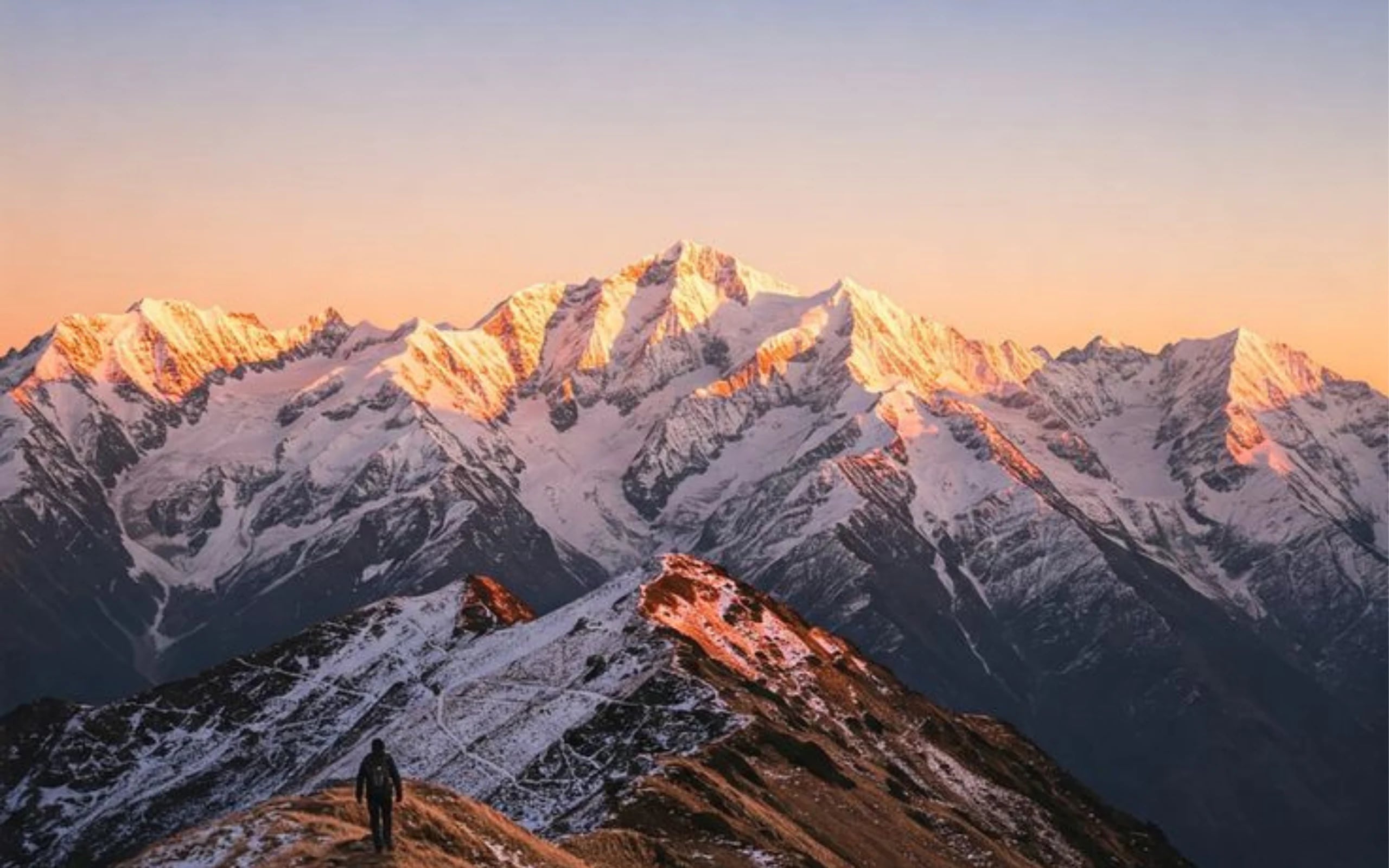
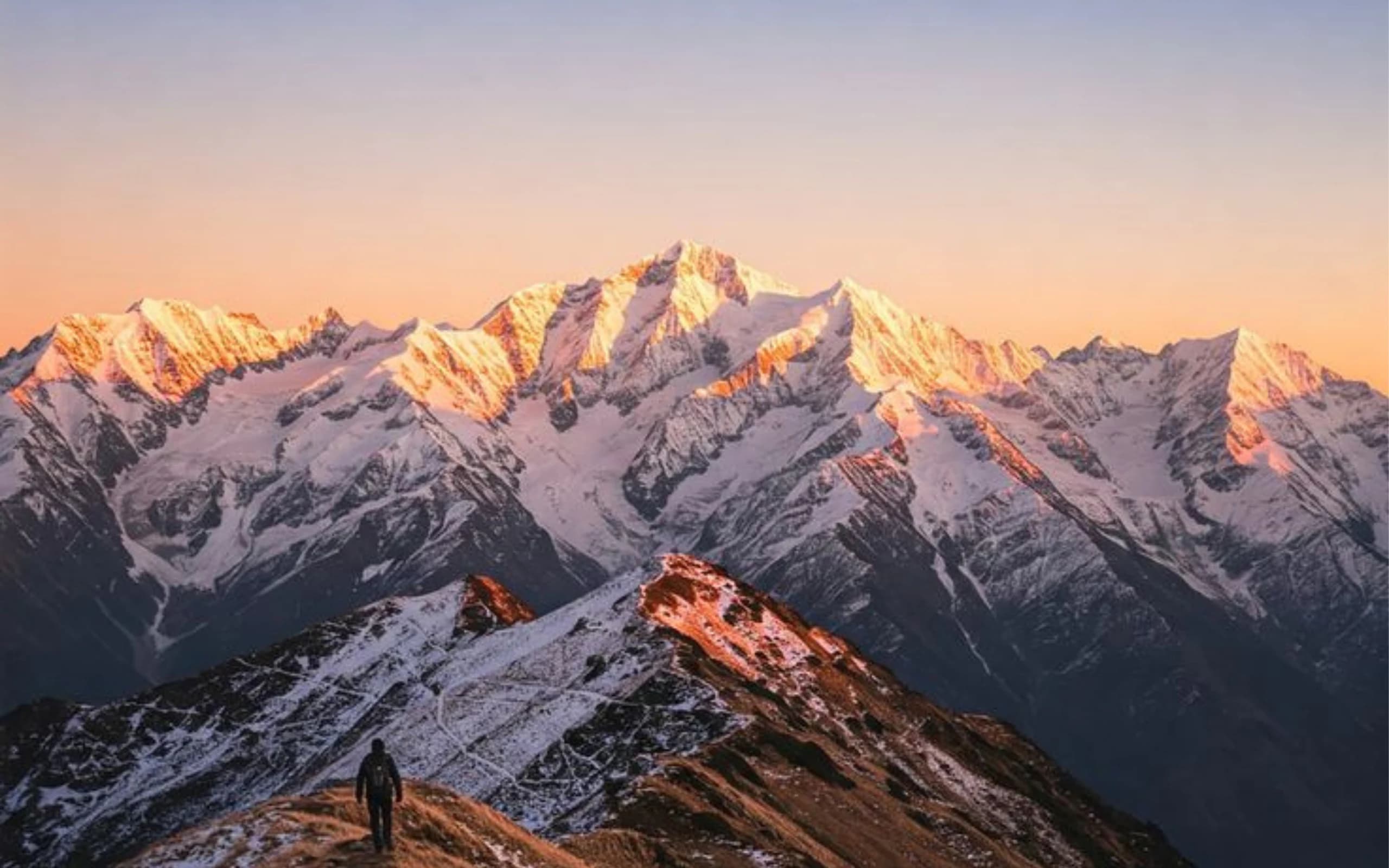
One of the biggest highlights of the Kuari Pass Trek is its extraordinary mountain panorama. Along the trail, trekkers can witness magnificent views of Nanda Devi, Dronagiri, Kamet, Hathi Ghoda Parvat, and other Himalayan peaks. These towering mountains create a dramatic backdrop, particularly during clear mornings when the snow-covered summits glow in the sunlight.
The trek also features beautiful camping locations surrounded by alpine landscapes and forested slopes. Depending on the route and season, trekkers may encounter lush green meadows in summer and autumn or snow-covered trails during winter. These seasonal changes give the Kuari Pass Trek a distinctive charm throughout the trekking year.
Reaching an altitude of approximately 12,516 ft (3,815 m), Kuari Pass is generally considered a moderate trek and can be suitable for beginners with good physical fitness. However, winter snow, cold temperatures, and changing weather can make sections more demanding. Proper clothing, sturdy trekking shoes, and preparation for high-altitude conditions are essential.
The best time to undertake the Kuari Pass Trek is generally April to June for pleasant weather and green landscapes, and September to December for clear mountain views and the possibility of snow later in the season. Actual conditions vary with snowfall and local weather.
With its magnificent Himalayan panoramas, peaceful forests, scenic meadows, and rewarding mountain trails, the Kuari Pass Trek is an excellent choice for travellers seeking a memorable trekking experience in Uttarakhand. Whether you are a first-time trekker or an experienced mountain enthusiast, this journey offers a wonderful combination of adventure, natural beauty, and Himalayan exploration.
Choose your departure location to view days, packages, and batches for that starting point.
The Kuari Pass Trek, also known as the Lord Curzon Trail, is famous for its panoramic Himalayan views, scenic alpine meadows, dense oak and rhododendron forests, and peaceful mountain campsites. The trek offers spectacular views of Nanda Devi, Dronagiri, Kamet, and Chaukhamba, making it a memorable experience for nature lovers and adventure enthusiasts.
Yes, beginners with reasonable physical fitness can undertake the Kuari Pass Trek. The route offers gradual ascents and beautiful forest trails, although some sections involve long walking hours and steep climbs. Regular exercise and preparation before the trek are recommended.
Yes, solo travellers can explore the Kuari Pass region. However, joining an organised group or hiring an experienced local guide is recommended, particularly during winter when snow and poor visibility can make navigation challenging.
Electricity and mobile charging facilities are limited at remote campsites along the trekking route. Charge your devices before starting the trek and carry a power bank. At higher campsites, charging options may not be available.
Yes, carrying sufficient cash is advisable for personal expenses, snacks, and emergencies. ATM facilities may be limited in remote mountain villages, so withdraw cash in Joshimath, Rishikesh, or another major town before beginning the journey.
The weather varies according to the season and altitude. Spring offers blooming forests and pleasant daytime conditions, while autumn generally brings clear skies and excellent mountain views. Winter can bring snowfall, freezing nights, and icy trails. Proper clothing is essential throughout the trek.
Carry sturdy trekking shoes, thermal layers, a warm insulated jacket, waterproof outerwear, gloves, a woollen cap, sunglasses, sunscreen, a water bottle, energy snacks, personal medicines, and a backpack with a rain cover. During winter, gaiters and suitable snow equipment may be necessary.
Backpack offloading may be available through local arrangements, depending on the route, campsite, and availability of porters or other support. Additional charges may apply. Confirm the service and luggage weight restrictions before your departure.
Extra luggage storage may be available at your accommodation in Joshimath or through the trekking organiser, depending on the package. Confirm this in advance and carry only the essentials needed for the trekking days.
The Kuari Pass Trek is famous for its expansive views of the Garhwal Himalayas and its historic association with Lord Curzon. The trail passes through beautiful forests, open meadows, and mountain ridges, offering views of prominent peaks such as Nanda Devi, Dronagiri, Kamet, and Chaukhamba.
The trekking distance generally ranges from approximately 20 to 33 km, depending on the route, campsite locations, and itinerary. The journey typically begins near Dhak village and passes through forest trails and mountain meadows before reaching Kuari Pass. Check your selected itinerary for the exact distance.
Kuari Pass reaches an altitude of approximately 12,516 feet (3,815 metres) above sea level. At this elevation, trekkers can enjoy sweeping views of the surrounding Himalayan peaks and landscapes.
The Kuari Pass Trek is generally graded easy to moderate or moderate, depending on the route and weather conditions. It does not usually require technical climbing skills, but trekkers need sufficient stamina to manage uphill trails, long walking days, and the final ascent to the pass.
The trek generally takes 5–6 days, including travel to and from the trekking region. The itinerary usually includes the drive to Joshimath, trekking through forest and meadow campsites, visiting Kuari Pass, and descending towards the designated endpoint.
The best time to visit Kuari Pass is generally March to June and September to November for pleasant trekking conditions and clear mountain views. December to February is popular for winter landscapes and snow, although trail conditions can be more challenging. Monsoon travel is less advisable because of rain, slippery paths, and possible road disruptions.
Accommodation generally includes a guesthouse or homestay in Joshimath and tents at designated campsites during the trek. Facilities and room or tent sharing arrangements depend on the selected package and itinerary.
Tents, sleeping bags, and mattresses are provided when included in the selected package. Trekkers should bring their own personal clothing, trekking shoes, toiletries, and other essential items. Confirm the equipment list before departure, particularly for winter trips.
Meal arrangements depend on the package. Organised trekking packages commonly include vegetarian meals during the trekking days and meals at designated accommodation stops. Check the itinerary for the exact meal schedule and confirm whether meals during road journeys are included.
Washroom facilities are generally available at guesthouses and homestays, while remote campsites may have basic or temporary toilet facilities. Amenities can be limited at higher campsites, so carry personal hygiene supplies and follow responsible trekking practices.
Food stalls and small shops may be available in villages or accessible areas, but facilities become limited as you move towards remote campsites and higher elevations. Carry sufficient snacks and drinking water, and do not rely entirely on shops along the trail.
The trek is commonly accessed through Joshimath in Chamoli district, Uttarakhand. You can reach Rishikesh or Haridwar by train or road, or fly to Jolly Grant Airport near Dehradun. From there, continue by road to Joshimath and the designated trekking starting point, commonly Dhak village.
Rishikesh and Haridwar are commonly used railway access points for travelling towards Joshimath. Jolly Grant Airport near Dehradun is the nearest major airport. From these locations, travellers must continue by road to reach the trekking region.
Pickup and drop points depend on the selected itinerary. Organised departures may operate from Rishikesh, Haridwar, or another designated meeting point, with onward transportation to Joshimath or the trekking starting village. Confirm the exact location and reporting time before travelling.
Contact the trip coordinator using the details provided in your booking confirmation. Keep your vehicle information, reporting instructions, and emergency contact details accessible so that you can coordinate smoothly with the trekking team.
Accommodation before the scheduled departure is generally not included unless specifically mentioned in the package. If you arrive early, arrange your own stay or enquire about additional accommodation options before travelling.
The vehicle depends on the package, group size, road conditions, and availability. Transportation may be arranged through shared SUVs, tempo travellers, or other suitable vehicles. Confirm whether transfers between the pickup point, Joshimath, and the trekking starting point are included.
The trek can be undertaken in winter with proper preparation, suitable equipment, and experienced guidance. Snowfall, icy trails, freezing temperatures, and poor visibility can increase the difficulty. Follow local advisories and trek leader instructions, and avoid attempting the pass when conditions are unsafe.
Yes, snowfall is possible during winter, particularly from December to February, although conditions vary each year. Snow may cover forest trails, campsites, and open meadows. If snow is your main reason for visiting, check recent weather and trail updates before booking.
Forest permissions or other local registrations may be required depending on the route and current regulations. Requirements can change, so confirm the latest rules with the relevant authorities or trekking organiser before departure. Check whether applicable permits are included in your package.
Heavy snowfall, rain, strong winds, or poor visibility may cause delays, itinerary changes, or cancellation of the pass attempt. The trek leader may change the route or schedule to prioritise safety. Refunds or rescheduling, if applicable, depend on the booking and cancellation policy.